

Building Stage Confidence Before You Speak
Practical techniques to calm nervous energy and find genuine confidence. Covers breathing exercises, visualization, and mental preparation methods.
Read MoreWhy nervousness happens and how to transform it into energy. Includes preparation strategies that reduce anxiety before and during presentations.

That flutter in your stomach before a presentation isn’t a sign you’re not ready. It’s your body preparing for something important. Your heart rate increases, adrenaline pumps through your system, and your mind sharpens. The problem isn’t the nervousness itself — it’s what we tell ourselves about it.
Most speakers feel anxious before presenting. Even experienced ones. The difference is they’ve learned to work with that energy instead of fighting against it. You can too. It doesn’t require special talent or years of practice. Just a shift in how you understand what’s happening in your body, plus a few concrete techniques to manage it.


When you anticipate presenting, your sympathetic nervous system activates. Blood flows away from your digestive system toward your muscles. Your breathing becomes shallow. Your vocal cords tighten slightly. None of this is dangerous — it’s actually the same response your ancestors had when facing a challenge.
The key insight? That activated state isn’t the problem. Athletes call it being “in the zone.” Performers call it having good energy. The anxiety only becomes problematic when you interpret these physical sensations as danger signals. Your mind reads the racing heart and thinks something’s wrong. But it’s not. It’s just readiness.
Here’s what actually happens: You feel nervous, you think “I’m nervous, this is bad,” and that negative thought intensifies the physical response. It becomes a feedback loop. Breaking that loop is easier than you’d think. It starts with reframing what nervousness means.
Instead of “I’m nervous,” try “I’m excited.” Sounds simple, right? But research shows it works. Both nervousness and excitement create similar physical responses — elevated heart rate, heightened alertness, increased focus. The difference is mental. When you label that feeling as excitement, your brain interprets it as positive activation rather than threat.
You don’t need to fake excitement. You’re genuinely energized. Your body’s responding to something that matters to you. That’s real. It’s valuable. A presentation with zero nervous energy often feels flat and disconnected. A presentation where you’ve channeled that energy? It’s engaging and authentic.
Start practicing this reframe now, weeks before your presentation. Don’t wait until you’re standing in front of an audience. When you notice butterflies about an upcoming talk, pause and say it out loud: “I’m not nervous. I’m excited.” Your brain needs practice integrating this new perspective.

Reframing helps. But it’s not enough on its own. You need concrete techniques to manage the physical sensations. These work because they address the actual physiological responses happening in your body.
Start 15 minutes before you present. Breathe in for 4 counts, hold for 7 counts, exhale for 8 counts. Do this 5 times. Why it works: Extended exhales activate your parasympathetic nervous system, which calms your body. Your shallow anxious breathing reverses. Most speakers notice their racing heart settles within 3-4 cycles.
Before you go on, stand with both feet flat on the ground. Press down firmly for 10 seconds. Feel the pressure. This sounds almost silly, but it reconnects you to physical reality. Anxiety is partly dissociative — you feel removed from your body. This simple act brings you back to the present moment, to solid ground.
Know your opening two minutes cold. Memorize it word-for-word. Once you start speaking and get through that opening, confidence builds. You’re no longer in unknown territory. Your brain realizes “we’re okay, I can do this.” The rest of the talk flows from that foundation. You don’t need to memorize everything — just the critical opening.
Do 20 jumping jacks or a quick walk 10 minutes before presenting. Move your body. Shake out your shoulders and arms. Anxiety creates physical tension. Movement releases it. This isn’t about getting tired. It’s about using your body’s activation productively instead of letting it build up as tension in your shoulders, jaw, and hands.
Sometimes despite your prep, you feel the anxiety surge while you’re mid-presentation. Your mind goes blank for a moment. Your voice wavers. What do you do in that moment?
Pause. Not awkwardly — intentionally. Take a breath. Take a sip of water if it’s available. These aren’t signs you’re failing. They’re moments of recalibration. Every presenter you’ve ever seen has done this. The ones who look most confident? They pause. They breathe. They own those moments.
Another powerful move: slow down your speaking pace. Anxiety makes you rush. When you notice yourself speeding up, deliberately slow down. Your audience won’t think you’re going too slow. They’ll find you more compelling because you’re measured and thoughtful. Plus, slowing down gives your nervous system a reset signal. It says “we have time, we’re in control.”
And make eye contact with friendly faces. If you’re presenting to a group, there are always people who are genuinely interested and engaged. Find them. Look at them. Their positive energy reinforces your own. Avoid scanning the whole room with anxious eyes. Connect with the people who are with you.
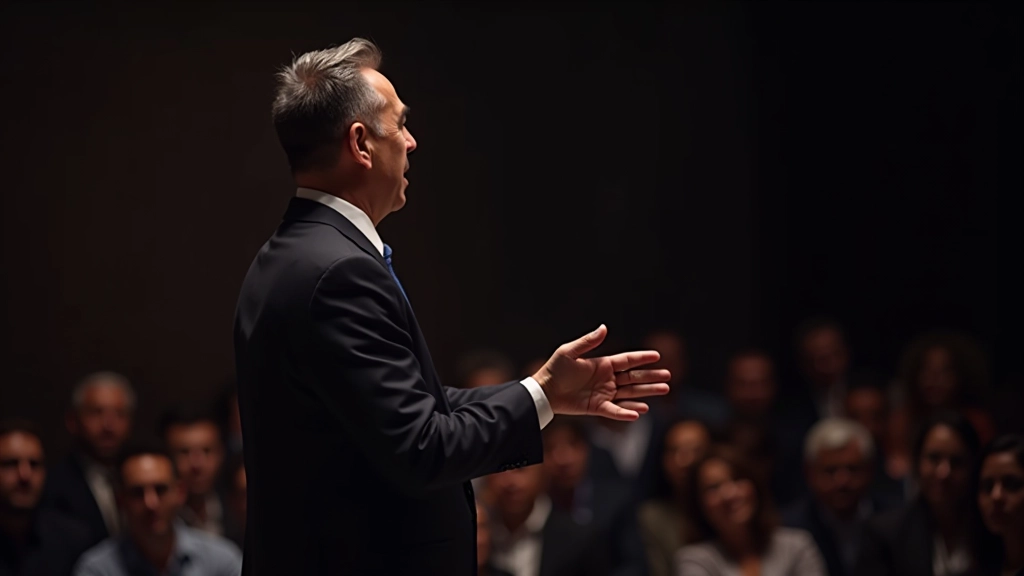
“The most powerful presentations aren’t the ones where the speaker has zero nerves. They’re the ones where you can feel the speaker cares about what they’re saying. That caring comes through in the slight vulnerability, the genuine passion. Perfect robot delivery is forgettable. Authentic humans are unforgettable.”
Here’s the truth most people don’t want to hear: trying to hide your nervousness makes you seem more nervous. Your audience can sense the tension. They sense you’re fighting something. But when you acknowledge the nervousness and keep going anyway? That’s powerful. That’s authentic.
You don’t need to say “I’m nervous.” But you can be visibly human. Let your voice have natural variation. Pause when you need to. Move naturally instead of pacing rigidly. Make real eye contact. Show that you’re genuinely engaged with your material and your audience.
The presentations people remember aren’t polished performances. They’re moments of real human connection. When a speaker is present, engaged, and yes, slightly imperfect, that’s when people actually listen. That’s when your message lands. That’s when you’ve done your job as a communicator.
Presentation anxiety isn’t something to eliminate. It’s something to understand and channel. The energy that makes you nervous is the same energy that makes your presentation engaging and authentic. Learn to work with it, and you’ll discover that your best presentations happen when you’re slightly nervous — because that’s when you care enough to do it well.
Practical techniques to calm nervous energy and find genuine confidence. Covers breathing exercises, visualization, and mental preparation methods.
Read More
Simple framework for organizing ideas so audiences stay engaged from opening to closing. Learn the proven structure that keeps listeners interested.
Read More
How to connect with your audience through eye contact, questions, and responsive speaking. Build genuine engagement instead of just delivering information.
Read MoreThis article provides educational information about managing presentation anxiety and public speaking confidence. The techniques and strategies described are based on common public speaking practices and psychological principles. This content is informational in nature and not a substitute for professional coaching, therapy, or medical advice. If you experience severe anxiety that significantly impacts your daily life or presentations, consider consulting with a qualified professional such as a therapist, speech coach, or counselor. Individual results vary based on personal circumstances, practice, and commitment to the techniques described.